
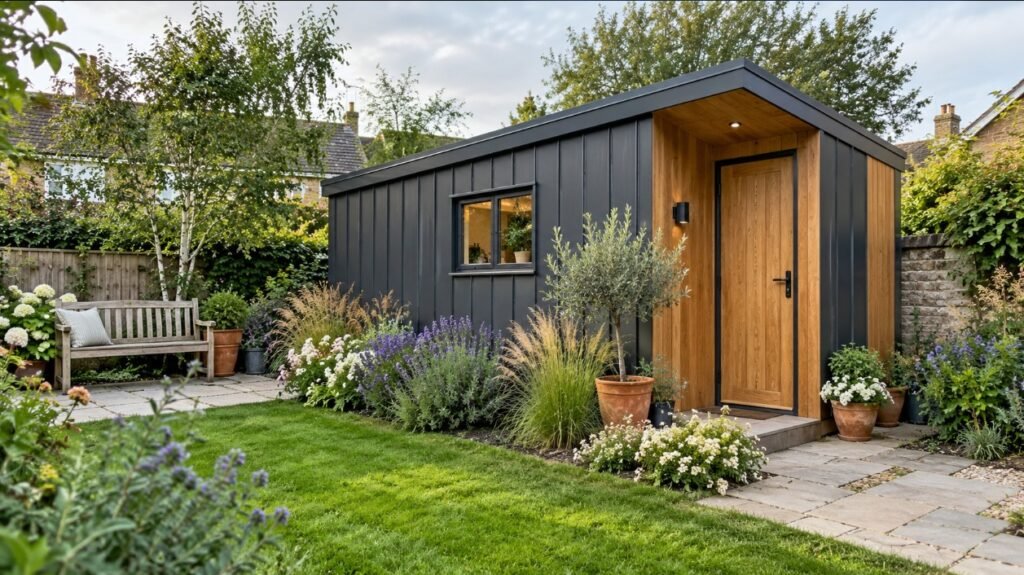
A garden shed doesn’t have to be an ordinary wooden structure hidden at the back of your garden. With thoughtful design choices, it can become an attractive feature that complements your home, enhances your outdoor space, and provides practical storage. Whether you have a small urban garden or a spacious countryside property, choosing a modern design style can completely change how your shed looks and feels.
Modern garden sheds combine clean architectural lines, durable materials, attractive colours, and practical features. From contemporary timber cladding to sleek metal finishes, there are plenty of ways to achieve a stylish appearance without compromising functionality. The key is choosing a design that works naturally with your garden’s layout, existing landscaping, and personal preferences.
Consider Your Garden’s Overall Design
Before choosing a modern garden shed style, take a close look at your existing outdoor space. Your shed should feel like a natural part of the garden rather than an unrelated structure placed in an empty corner. Consider the architecture of your home, the materials used for your patio and fencing, and the types of plants growing around the property.
For example, a contemporary home with large windows and simple exterior finishes may look attractive with a minimalist shed featuring dark cladding and a flat-looking roof. A traditional brick house, on the other hand, might benefit from a modern rustic shed that combines natural timber with understated metal details. The aim is to create visual harmony without making every feature look identical.
You should also think about where the shed will be positioned. A structure that is clearly visible from your kitchen or living room may need a more decorative finish than one located in a secluded garden corner.
Explore Different Modern Garden Shed Styles
Modern garden sheds come in several architectural styles, each offering a different balance between appearance and practicality. Choosing the right one depends on your personal taste, available space, and how you intend to use the building.
Minimalist Garden Shed
A minimalist garden shed focuses on simplicity and functionality. It typically features straight lines, smooth exterior surfaces, limited decoration, and a restrained colour palette. Black, charcoal, white, and natural wood are common choices because they create a clean appearance without unnecessary visual complexity.
This style is particularly suitable for smaller gardens where an elaborate structure might overwhelm the surrounding space. A simple rectangular shed with a single door and carefully positioned windows can provide useful storage while maintaining a neat appearance.
Scandinavian-Inspired Garden Shed
Scandinavian design combines natural materials, functional layouts, and simple architectural details. A Scandinavian-inspired garden shed often features light or natural timber, neutral colours, and an uncomplicated roof design that complements the surrounding landscape.
This approach works particularly well in gardens with ornamental grasses, natural stone pathways, and informal planting arrangements. You can introduce warmth through wooden cladding while keeping doors, windows, and other details understated. The result is a comfortable, welcoming structure that feels connected to nature.
Industrial-Style Garden Shed
If you prefer a more distinctive contemporary appearance, an industrial-inspired garden shed may be worth considering. This style uses materials such as metal, timber, and concrete to create a practical structure with clean, defined architectural lines.
Dark metal cladding, black door frames, and a simple roof profile can give the shed a modern finish. To prevent the building from appearing too harsh, combine these materials with wooden features or soft landscaping. A few well-positioned shrubs and climbing plants can create an appealing contrast between the structure and surrounding greenery.
Modern Rustic Garden Shed
A modern rustic shed blends traditional garden character with contemporary design details. Natural timber cladding, muted colours, and simple doors can create a familiar appearance, while updated roofing materials and clean architectural lines give the building a more modern identity.
This style is particularly suitable for cottage gardens and countryside properties. Rather than trying to create a completely sleek appearance, focus on balancing natural textures with practical improvements. A timber shed with charcoal trim and carefully arranged planting can look both contemporary and welcoming.
Choose Modern Exterior Materials
The exterior material has a significant influence on the appearance and durability of your garden shed. Traditional timber cladding remains popular because of its natural warmth and versatility, but other materials can create a more contemporary finish.
Metal cladding is an option for homeowners who want a sleek appearance with relatively low routine maintenance. Depending on the panel profile, metal siding panels can create vertical or horizontal lines that make an ordinary garden building look more architectural. The linked PBS Direct collection includes metal panels, trim, and fastening accessories, offering useful examples of how these components can work together in exterior projects.
You can also combine metal cladding with timber accents to achieve a balanced design. For example, dark metal panels paired with a natural wooden door can create a modern appearance without making the shed feel overly industrial.
Whichever material you select, consider its suitability for your local climate, maintenance requirements, and installation method. Proper weatherproofing and ventilation are especially important in the UK’s often damp conditions.
Select a Contemporary Colour Scheme
Colour is one of the easiest ways to modernise a garden shed. You don’t necessarily need to replace the entire exterior to achieve a fresh appearance. Sometimes, repainting the shed in a more coordinated colour scheme can make a noticeable difference.
Charcoal grey, soft black, sage green, warm white, and muted earthy tones are attractive options for contemporary garden buildings. Dark colours can help a shed visually recede into a leafy garden, while lighter finishes can create an open and welcoming appearance in smaller spaces.
Match Colours With the Surrounding Garden
When selecting a colour, think about how the shed will look throughout the year. A dark green exterior may blend beautifully with summer foliage, while warm grey can complement stone paving and natural timber fencing.
Try to avoid using too many competing colours. One main shade with a contrasting colour for doors or trim is often enough to create an attractive finish. Testing exterior paint samples in natural daylight can help you understand how the colours will look in your particular garden.
Consider the Roof Design
The roof plays an important role in defining your shed’s architectural style. Traditional pitched roofs are practical and familiar, but contemporary garden sheds can also feature mono-pitched roofs with a single sloping surface.
A mono-pitched roof can create a modern appearance while allowing rainwater to drain in a controlled direction. It is particularly suitable for rectangular sheds and garden buildings with simple architectural lines.
You can also choose contemporary roofing finishes that complement the exterior walls. Metal roofing, for example, can work well with both timber and metal-clad sheds. Always consider the roof’s minimum required pitch, waterproofing, drainage, and local weather conditions before selecting a material.
Consider a Living Green Roof
If you want your modern shed to contribute to the surrounding garden, a living green roof can be an interesting feature. A properly designed roof planted with suitable low-growing vegetation can provide additional habitat for insects and help manage some rainfall.
However, green roofs require an appropriate waterproofing system, drainage, and enough structural capacity to support the growing medium and vegetation when saturated. An existing lightweight shed roof should not be converted without confirming that it can safely carry the additional load.
Upgrade the Shed Doors and Windows
Doors and windows can dramatically influence how contemporary a garden shed looks. Old-fashioned decorative panels and mismatched frames may make the building appear dated, even if the exterior cladding has been refreshed.
For a modern appearance, consider a simple door with clean edges and understated hardware. A natural timber door can create a warm contrast against darker exterior walls, while a matching painted door can help maintain a minimalist design.
Windows can also improve the shed’s appearance and usefulness. If you plan to use the building for gardening tasks or hobbies, natural daylight can make the interior more comfortable. Position windows to provide useful light without sacrificing valuable wall space for shelves and equipment.
Make the Shed Functional and Organised
A beautiful garden shed should still serve its intended purpose. Before finalising the design, consider what you need to store and how often you will use the space. Gardening tools, lawn equipment, bicycles, and outdoor furniture all require different storage arrangements.
Wall-mounted shelves, hooks, and cabinets can help you organise smaller items while preserving floor space. If your shed will double as a potting area, consider installing a sturdy workbench near a window for natural light.
Keep frequently used equipment near the entrance so it is easy to access. A well-organised interior makes the shed more practical and reduces the temptation to leave tools and gardening supplies scattered around the surrounding garden.
Use Landscaping to Blend the Shed Into Your Garden
Even a beautifully designed shed can look out of place if the surrounding garden has been overlooked. Landscaping helps connect the building with its environment and softens the appearance of modern architectural materials.
You can create this connection through planting beds, pathways, decorative grasses, and carefully positioned shrubs. For instance, a charcoal garden shed surrounded by ornamental grasses and flowering perennials can create an attractive contrast between strong architectural lines and natural textures.
Add Wildlife-Friendly Planting
A modern garden doesn’t have to be overly formal or lack biodiversity. You can maintain a clean design while incorporating plants that provide food and shelter for birds, bees, butterflies, and other wildlife.
Choose suitable flowering plants that provide nectar and pollen across different seasons. Native shrubs and mixed hedges can also offer valuable shelter while helping the shed blend into its surroundings.
If space allows, consider leaving a small area of longer grass or adding a shallow wildlife-friendly water source nearby. These features can make your garden more welcoming to wildlife without compromising its overall appearance.
Create a Simple Garden Pathway
A pathway provides a practical connection between your home and garden shed while contributing to the overall design. Large paving slabs, natural stone, gravel, and brick are all possible materials depending on the style of your garden.
Choose a surface that remains safe and accessible during wet weather. A simple path with planting along the edges can make the shed feel like an intentional destination rather than just a storage building.
Add Modern Outdoor Lighting
Lighting can make your shed more convenient to use during darker evenings while improving its appearance. Simple wall-mounted fixtures or discreet lighting near the entrance can create a welcoming atmosphere without overwhelming the garden.
Warm white lighting often complements natural timber and dark exterior finishes. Solar-powered pathway lights may also be useful in suitable locations, although performance depends on sunlight exposure and the quality of the fixtures.
Avoid excessively bright lights that shine directly into neighbouring gardens or surrounding wildlife habitats. Motion sensors, timers, and downward-facing fixtures can help provide illumination when needed while reducing unnecessary light pollution.
Plan for the British Weather
When designing a modern garden shed in the UK, weather resistance should be a priority. Frequent rainfall, damp conditions, and seasonal temperature changes can affect both the structure and exterior finishes.
Start with a stable foundation that keeps the building adequately supported and protected from ground moisture. Ensure that rainwater can drain away from the walls and that the roof has suitable gutters or other drainage arrangements where required.
Timber components should be appropriately treated and maintained, while metal panels need compatible fixings and protective coatings. Good ventilation is also important, particularly when storing gardening equipment that may be damp after use.
Check Planning Requirements Before Building
Before installing a new garden shed or making major structural alterations, check whether planning permission or building regulations approval may be required. Requirements depend on factors such as the building’s size, height, position, intended use, and the location of your property.
In England, many domestic outbuildings can be built under permitted development rights when they meet specific conditions. However, additional restrictions may apply to listed buildings, designated areas, and properties with limited permitted development rights. Rules can also differ in Scotland, Wales, and Northern Ireland.
If you are unsure, contact your local planning authority before beginning construction. Understanding the requirements early can help prevent delays and unexpected expenses.
Set a Realistic Budget for Your Garden Shed
A modern garden shed doesn’t have to involve an expensive renovation. Your budget should reflect the condition of the existing building, the materials you prefer, and the improvements that will make the greatest difference.
If your current shed is structurally sound, repainting the exterior, replacing worn trim, and improving the surrounding landscaping may be enough to achieve a contemporary appearance. For a more extensive makeover, you might consider new cladding, replacement doors, upgraded roofing, or additional windows.
Prioritise repairs and weather protection before spending money on decorative features. A well-maintained shed with a simple colour scheme often looks more attractive than an expensive design with poorly finished details.
Avoid Common Garden Shed Design Mistakes
One common mistake is choosing a shed style that doesn’t suit the surrounding garden. A large industrial-looking structure may feel overwhelming in a small cottage garden, while a heavily decorated traditional shed might clash with a minimalist outdoor space.
Another mistake is focusing entirely on appearance while overlooking practical considerations. Poor ventilation, inadequate storage, and unsuitable materials can quickly reduce the usefulness of the building.
It’s also worth avoiding excessive decoration. Modern garden shed design works best when colours, materials, and landscaping feel coordinated. A few thoughtful improvements will usually create a more attractive result than combining too many different design features.
Conclusion
Choosing a modern design style for your garden shed is an opportunity to improve both the appearance and functionality of your outdoor space. Whether you prefer Scandinavian simplicity, minimalist architecture, industrial finishes, or a modern rustic look, the right design should complement your garden and suit your everyday needs.
Focus on durable materials, coordinated colours, practical storage, and thoughtful landscaping. With careful planning, even an ordinary garden shed can become an attractive feature that contributes to a more welcoming and organised outdoor environment.
Frequently Asked Questions
What is the best modern style for a garden shed?
Minimalist and Scandinavian-inspired designs are popular choices. Both use simple architectural lines, natural materials, and neutral colours that complement many garden layouts.
What colour makes a garden shed look modern?
Charcoal grey, black, sage green, warm white, and muted earthy colours can create a contemporary appearance. Choose a shade that complements your home and surrounding plants.
Can I make an old garden shed look modern?
Yes. Repainting the exterior, updating cladding, replacing door hardware, and improving landscaping can transform an older shed without requiring complete replacement.
Is metal cladding suitable for garden sheds?
Yes, properly specified metal cladding can provide a durable exterior finish. Correct installation, weatherproofing, ventilation, and compatible fasteners are important for long-term performance.
How can I make my shed blend into the garden?
Choose colours that complement the surrounding greenery and add natural landscaping around the building. Shrubs, ornamental grasses, and flowering plants can soften its appearance.
Do I need planning permission for a modern garden shed?
Not always. Many sheds fall within permitted development rules, but requirements vary by location, dimensions, placement, and property restrictions. Check with your local planning authority before building.